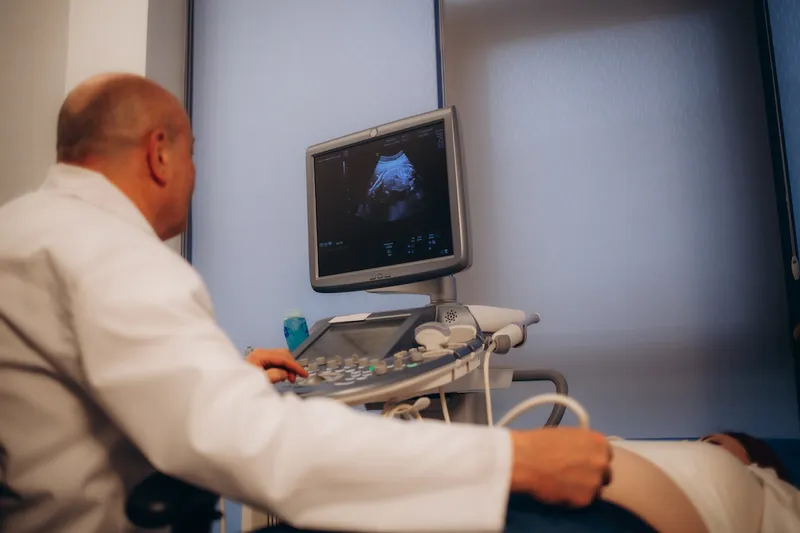
If your calves, thighs or hips cramp when you walk and feel better when you stop, you may have peripheral artery disease, or PAD. PAD means the arteries in your legs are narrowed, so your muscles do not get enough blood when they work. A simple, painless ultrasound can help check for it.
Common signs of PAD
FCCI lists these as reasons to look at leg circulation:
- Discomfort or cramping when walking
- Wounds on the feet or legs that will not heal
- Swelling
- Color changes in the skin of the legs or feet
Some people also notice cold feet, shiny skin, or slower toenail and leg hair growth. Many people blame these on getting older. It is worth getting checked instead.
Who is at risk
PAD is more common in people who smoke or used to smoke, and people with diabetes, high blood pressure, high cholesterol or kidney disease. If you have heart artery disease, your leg arteries may be affected too, because the same process can affect blood vessels throughout the body.
How PAD is checked
FCCI's Non-Invasive Vascular Lab is accredited and uses ultrasound and other tests to check blood flow without needles or dye. Your provider will also check pulses in your feet and ask about your symptoms. If more detail is needed, a peripheral angiogram lets a doctor see the arteries of the legs from the inside.
Treatment options
Many people improve with a walking program, quitting smoking, and medicines that protect the arteries. For more serious blockages, FCCI's catheterization lab offers peripheral revascularization using balloons, stents and atherectomy devices to restore blood flow.
Dr. Youssef Al-Saghir, who leads FCCI's Clay County operations, notes in his FCCI profile that interventional techniques now treat peripheral vascular disease, including PAD in the legs. FCCI is proud of its history in preventing amputations and says amputation should always be the last resort.
Do not wait on a foot wound
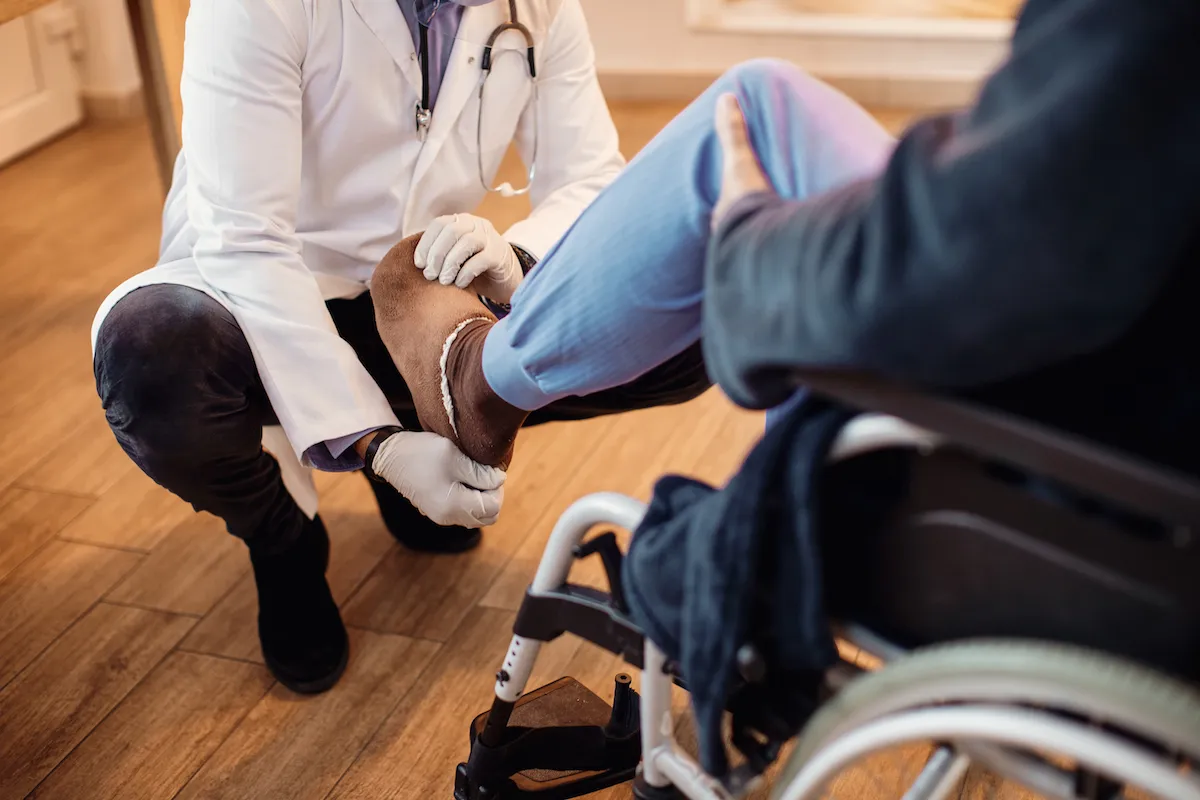
If you have diabetes or PAD, check your feet every day. A sore that is not healing, turns dark, or gets red and warm needs prompt care. Early treatment gives you the most options.
When to call 911
Leg pain with walking is usually a reason for an office visit, not an ambulance. A leg that suddenly turns cold, pale and very painful is different, and so are chest pain, sudden shortness of breath, fainting or stroke signs like face drooping or slurred speech. Call 911 for those and do not drive yourself. Crews can start treatment on the way in.
Heart care close to home in Clay County
Leg pain from PAD can be checked by FCCI right in Orange Park, at 1465 Kingsley Ave. The office serves Clay County neighbors from Fleming Island to Middleburg and Green Cove Springs, under Dr. Youssef Al-Saghir, Director of FCCI Clay County Operations and cardiology chair at HCA Florida Orange Park Hospital. Medicare, Tricare and most major insurance plans are accepted, and same day visits are available for urgent concerns.
Questions to ask your provider
- Could my leg pain be from my arteries?
- Do I need a vascular ultrasound?
- Is a walking program safe for me?
- How should I care for my feet?
A neighborly word from the Clay County team
You know how far you can walk before your legs complain. Your care team knows what that pattern can mean. Share it plainly and you will get a plan that fits how you actually live. Questions about leg pain? Write them down for your visit or call the office.
Ready to talk with a heart doctor close to home? If walking has started to hurt, let's find out why. Call the FCCI Orange Park office at 904.644.0092, Monday to Friday, 8 a.m. to 5 p.m., or use the appointment request form (contact details only, please). We are at 1465 Kingsley Ave, Orange Park, FL 32073.